










On June 30, 2026, the EU's current safeguard measures (including country-specific import quotas) on steel imports are set to expire. New WTO-compliant measures will take effect on July 1, 2026.
What has been agreed?
The EU aims to continue protecting its steel industry from unfair competition, such as underpriced imports. This will be achieved through a set of measures that are fully compliant with WTO (World Trade Organization) rules.
The protection will be implemented through three key actions:
- A 47% reduction in duty-free import volumes (from 2024 levels)
- A doubling of tariffs outside quotas (from 25% to 50%)
- Improved traceability through mandatory reporting of the Country of Melt and Pour
These measures received overwhelming political support in the European Parliament vote on May 19, 2026:
606 MEPs voted in favor, 16 voted against, and 39 were absent.
The new measures will enter into force on July 1, 2026.
While the main measures are confirmed, the final allocation of quotas and tariffs to non-EU producer countries is still in progress and will be published once it is finalized.
Why now?
The timing is driven by WTO rules, which limit global safeguard measures (including those on steel trade) to a maximum duration of eight years. The current safeguards were introduced in 2018 and will expire on June 30, 2026.
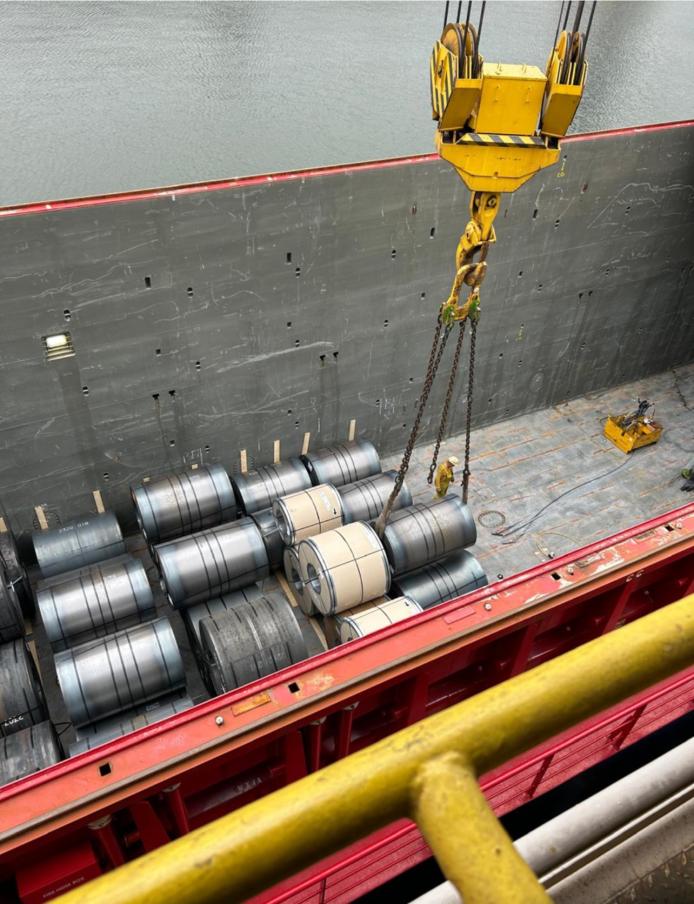
These previously agreed import quotas have lost their significance because steel consumption has been declining while import volumes (from outside the EU) have increased. At the same time, global market dynamics have shifted—for example, surplus steel production from China has increasingly been redirected to Europe, partly due to more protectionist trade policies in the United States.
Will this effect steel availability?
The purpose of these measures is to prevent unfair competition and to ensure the availability of European steel within Europe.
While protectionist trends are emerging globally, it is important to note that the European Union remains—and will continue to be—one of the most open steel markets in the world. Approximately 18 million tonnes of steel are imported into the EU tariff-free each year.
Sources:
https://finland.representation.ec.europa.eu/uutiset/komissiolta-suunnitelma-eun-terasteollisuuden-suojelemiseksi-maailmanlaajuiselta-ylituotannolta-2025-10-08_fi
https://www.europarl.europa.eu/news/en/press-room/20260126IPR32626/new-measures-to-protect-eu-steel-market-from-global-overcapacity
https://www.eurofer.eu/press-room/press-releases/steel-industry-welcomes-european-parliament-approval-of-new-trade-measure