






Claim a good share of our carbon reduction results
With our Zeremis solutions, you can benefit from real CO2e savings and enhance your brand’s sustainability. Zeremis supports you in building a credible green brand and is a building block for reporting lowered scope 3 emissions. It's mass-balanced and book-and-claim solutions offer carbon credits generated through Tata Steel Nederland's carbon reduction projects.
How does it work?
In recent years, Tata Steel Nederland has implemented numerous improvements to reduce carbon emissions. Additional projects, that would not have been financially feaslible without proper market funding. And this is just the beginning. We have many more ideas for carbon savings. These projects are given high priority.
Benefit through Zeremis
Under the Zeremis brand name, we bundle these carbon recutions for our customers. You have the opportunity to purchase declarations indicating that the steel you buy has a virtually reduced carbon footprint, made within the value chain of the product itself. By purchasing declarations of realised carbon savings, you enable a reduction in atmospheric CO2e, which you can report as a lowered scope 3 emission under the Greenhouse Gas protocol.
Through this solution of mass balancing, carbon savings are not spread across all products sold. Instead, they are aggregated into substantial reduction declarations, of a magnitude that is interesting for you as our customer.
Our carbon reduction projects
Our carbon reduction projects are completely assured by Independent verifier Det Norske Veritas (DNV). DNV validates our data and confirms our claims in accordance with the Greenhouse Gas Protocol, Worldsteel, and ISO 14021:2016 standards.You will find their assurance statements at the bottom of this page. Current projects that were verified by DNV:
Energy process optimisation
Improving the efficiency of our processes is an effective way to reduce emissions. By optimising how energy is used across our operations, we can significantly lower CO2e emissions while maintaining product quality and performance. The emission reductions achieved are independently verified and added to the Carbon Bank, demonstrating how process innovation can deliver immediate and measurable impact.
1. Regenerative Thermal Oxidation system at Maubeuge
The Regenerative Thermal Oxidation (RTO) system at Maubeuge captures and reuses heat generated during the coating process. Instead of relying solely on natural gas, the system recovers energy from process emissions and feeds it back into production. By replacing conventional gas-fired incineration, this solution reduces fossil fuel consumption and lowers CO2e emissions. It also improves overall energy efficiency within the coating line.
2. Replacement of motor gear sets in the cold mill
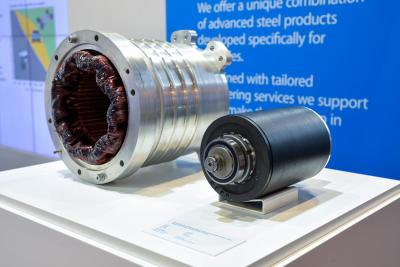
Upgrading motor and gear systems in the cold mill improves mechanical efficiency and reduces energy losses during operation. This leads to lower electricity consumption across key production steps. Even relatively targeted upgrades can deliver meaningful reductions when applied to large-scale industrial processes. By improving performance and reducing inefficiencies, the project contributes to reduced emissions.
3. Process optimisation of the tunnel furnace at the Direct Sheet Plant
Optimising the operation of the tunnel furnace at the Direct Sheet Plant focuses on reducing energy use while maintaining process stability. Through improved control and operational adjustments, the furnace operates more efficiently. We have replaced wet rolls with dry rolls in the shuttle. Wet rolls are actively cooled by water, this lowers the temperature which requires additional heating later in the process. By replacing the wet rolls with dry rolls, less natural gas is required for reheating the slabs. These improvements lower overall fuel consumption and reduce associated CO2e emissions without requiring major infrastructure changes. This makes the project both effective and scalable within existing production environments.
4. High Turbulence Roll Cooling (HTRC) at the Hot Strip Mill
The implementation of High Turbulence Roll Cooling technology optimises cooling efficiency in the finishing mill. The High Turbulence Roll Cooling technology saves energy in various ways: it has improved heat transfer, less water pressure is required and therefore fewer pumps need to be running. The result is a measurable decrease in electricity consumption and associated emissions.
5. Walking Beam Furnace 25 at the Hot Strip Mill
The installation of a new walking beam furnace at the Hot Strip Mill replaces a less efficient pusher furnace and significantly reduces energy consumption. This advanced technology improves heat distribution and minimises energy losses during the reheating of steel slabs. As a result, the project delivers substantial CO2e emission reductions while supporting stable and high-quality steel production.
Alternative energy and fuels
Switching to alternative energy sources is key to reducing reliance on fossil fuels. By integrating lower-CO2e energy and fuels into our processes, we can significantly reduce emissions while maintaining operational continuity. The emission reductions achieved are independently verified and added to the Carbon Bank, demonstrating how process innovation can deliver immediate and measurable impact.
6. Deployment of biomethane at the Hot Strip Mill
Biomethane is used as a lower-CO2e alternative to natural gas in various heating processes. Unlike fossil fuels, biomethane is part of the natural carbon cycle, as the CO2e released during combustion was previously absorbed from the atmosphere. By replacing natural gas with biomethane, this project directly reduces emissions from energy-intensive operations. The CO2e released when biomethane is burned originally came from plants and organic matter that recently absorbed CO2e from the atmosphere. This creates a much more circular carbon cycle and leads to significantly lower greenhouse gas emissions compared to fossil natural gas.
7. Procurement of low-carbon zinc
Sourcing zinc with a lower CO2e footprint reduces emissions embedded in the steel coating process. This approach focuses on improving the upstream carbon intensity of input materials. By selecting lower-CO2e alternatives within the supply chain, the project contributes to reducing Scope 3 emissions associated with raw materials. This is an important step in extending decarbonisation beyond direct operations.
8. Procurement of caustic soda produced with renewable electricity
Caustic soda is an essential input in several steel processing steps. By sourcing caustic soda produced using renewable electricity rather than conventional energy sources, the overall CO2e intensity of the process is reduced. This project demonstrates how procurement choices can directly influence emissions. It highlights the importance of integrating sustainability into sourcing decisions.
Recycling
Recycling plays a critical role in reducing the need for primary raw materials and lowering overall emissions. By increasing circularity and making better use of existing resources, we can reduce both environmental impact and dependency on virgin inputs. The emission reductions achieved are independently verified and added to the Carbon Bank, demonstrating how process innovation can deliver immediate and measurable impact.
9. Increasing recycled content in steelmaking
Increasing the use of recycled steel scrap is a key lever in reducing the CO2e intensity of our steel production. At Tata Steel Nederland, ongoing initiatives focus on increasing the share of external scrap in the steelmaking process, within the Basic Oxygen Steelmaking (BOS) route. This reduces the need for iron ore, which is one of the most carbon‑intensive steps in steel production. By increasing scrap input, the process requires less primary iron production, leading to significant CO2e emission reductions as less iron ore needs to be produced. Iron ore is produced with coal, and is therefore a process with a very high intensity of CO2e emissions. This approach not only lowers emissions, but also supports circularity by retaining the value of steel within the European value chain and avoiding downcycling or export of high‑quality scrap.
EN-Expert-interview-Sofie-Klever-Carbon-Bank
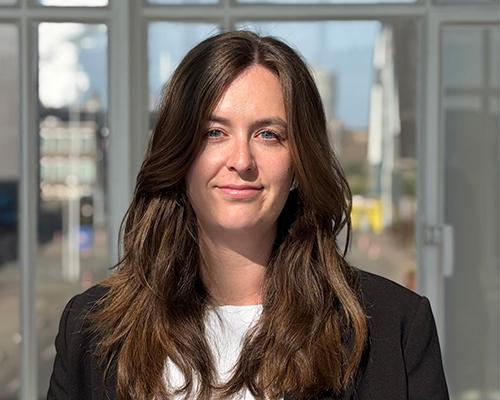
Discover how Tata Steel Nederland’s carbon reduction expert Sofie Klever ensures the credibility of CO₂ reduction claims through a robust carbon bank.
EN-Zeremis-Flywheel-Biomethane
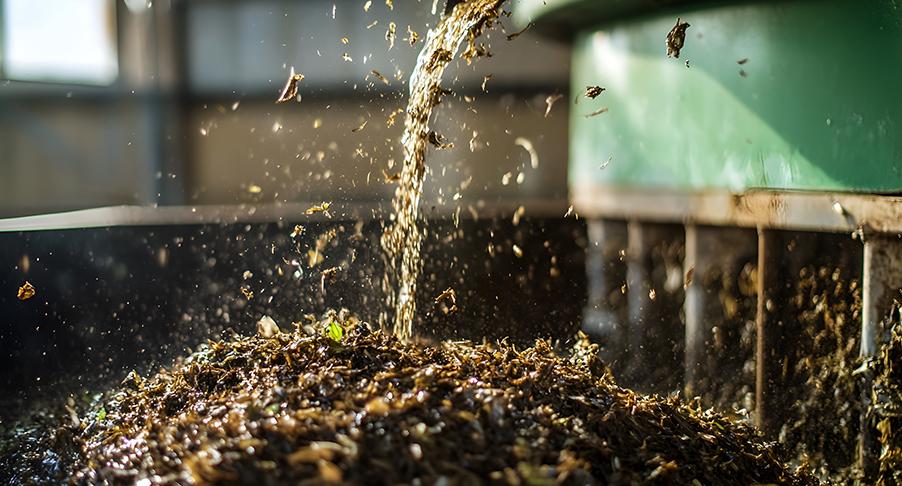
Discover how Tata Steel Nederland is integrating European biomethane into steelmaking, reducing CO₂e emissions and advancing sustainable alternatives to natural gas.
EN-Scrap-flywheel-story
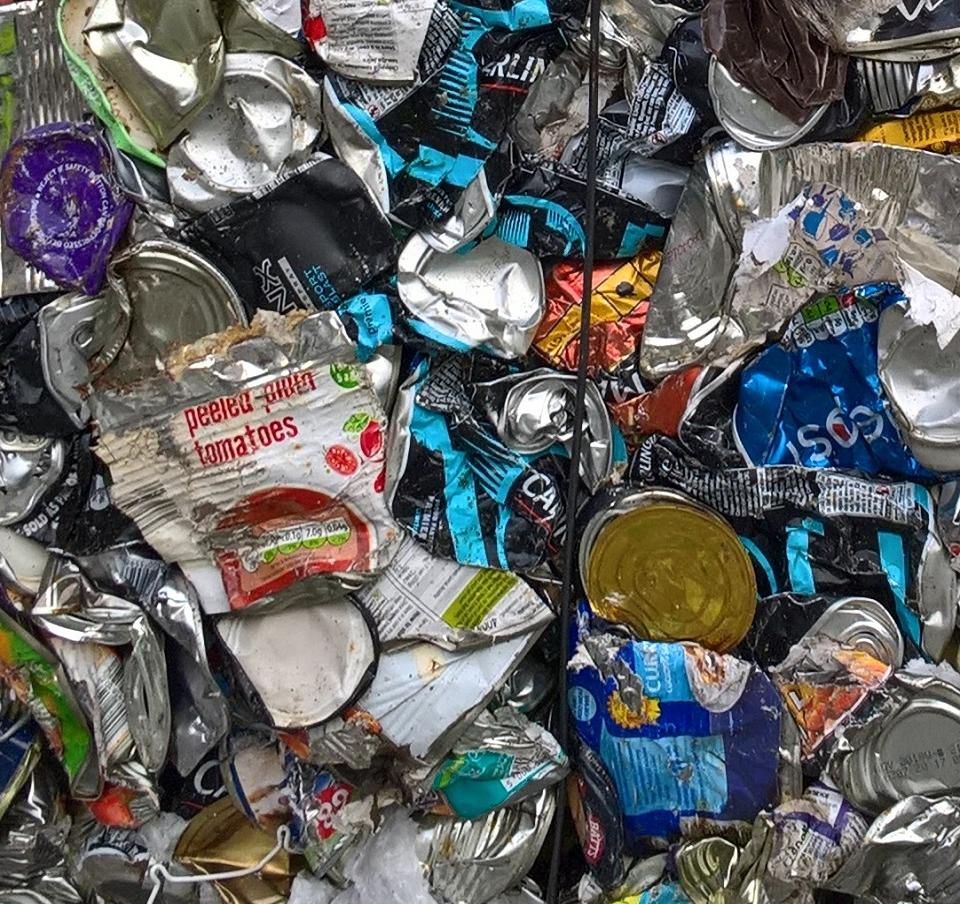
We have started a series of investments paving the way towards a steadily increasing percentage of recycled content.
DNV Assurance Statements
All our CO₂ reduction projects are independently verified by DNV, one of the world's leading assurance and certification organizations. DNV validates the calculation methodology, verifies the actual CO₂ reductions achieved, and reviews the management of the Zeremis carbon bank to ensure that reductions are allocated correctly and are never double counted. For our customers, this provides confidence that every claimed CO₂ reduction is real, measurable and independently assured. It enables credible sustainability reporting, supports Scope 3 reduction claims, and helps demonstrate compliance with increasing customer, investor and regulatory expectations.
Certified excellence in energy process optimization
Explore our DNV-assured achievements in optimizing energy processes for greater efficiency and sustainability
DNV Assurance Statement: Implementation of a Regenerative Thermal Oxidation system at Maubeuge
DNV Assurance Statement: Implementation of a Regenerative Thermal Oxidation system at Maubeuge
DNV Assurance Statement Replacement of the motor geat sets in the cold mill
DNV Assurance Statement: Replacement of the motor geat sets in the cold mill
DNV assurance statement: Implementation of a Regenerative Thermal Oxidation system at Maubeuge reaudit
DNV assurance statement: Implementation of a Regenerative Thermal Oxidation system at Maubeuge reaudit
DNV assurance statement: Implementation of a new walking beam oven 25 at the HSM
DNV assurance statement: Implementation of a new walking beam oven 25 at the HSM
DNV assurance statement: Installation of a High Turbulence Roll Cooling (HTRC) at the HSM
DNV assurance statement: Installation of a High Turbulence Roll Cooling (HTRC) at the HSM
DNV assurance statement: Process Optimisation of the Tunnel Furnace at the DSP
DNV assurance statement: Process Optimisation of the Tunnel Furnace at the DSP
DNV assurance statement: Replacement of conventional lighting fixtures with LED luminaires
DNV assurance statement: Replacement of conventional lighting fixtures with LED luminaires
DNV assurance statement: Reduction in energy usage due to optimized usage of the hot metal mixers
DNV assurance statement: Reduction in energy usage due to optimized usage of the hot metal mixers
DNV assurance statement: Implementation of a new walking beam oven 25 at the HSM January 2024 – December 2024
DNV assurance statement: Implementation of a new walking beam oven 25 at the HSM January 2024 – December 2024
DNV assurance statement: Installation of a High Turbulence Roll Cooling (HTRC) at the HSM September 2023 – August 2024
DNV assurance statement: Installation of a High Turbulence Roll Cooling (HTRC) at the HSM September 2023 – August 2024
DNV assurance statement: Zeremis Carbon Lite projects May 2025
DNV assurance statement: Zeremis Carbon Lite projects May 2025
Innovations in alternative energy and fuels
Discover our DNV-certified projects driving the transition to cleaner energy solutions.
DNV assurance statement: Deployment of biomethane usage at the HSM
DNV assurance statement: Deployment of biomethane usage at the HSM
DNV assurance statement: Procurement of Low Carbon Zinc
DNV assurance statement: Procurement of Low Carbon Zinc
DNV assurance statement: Procurement of Caustic Soda Produced with Renewable Electricity
DNV assurance statement: Procurement of Caustic Soda Produced with Renewable Electricity
DNV assurance statement: Use of HVO100 on inbound truck movements for scrap
DNV assurance statement: Use of HVO100 on inbound truck movements for scrap
DNV assurance statement: Use of HVO100 on inbound truck movements for limestone
DNV assurance statement: Use of HVO100 on inbound truck movements for limestone
DNV assurance statement: Procurement of Low Carbon Zinc February 2024 – December 2024
DNV assurance statement: Procurement of Low Carbon Zinc February 2024 – December 2024
DNV assurance statement: Procurement of Caustic Soda Produced with Renewable Electricity April 2024 – December 2024
DNV assurance statement: Procurement of Caustic Soda Produced with Renewable Electricity April 2024 – December 2024
DNV assurance statement: Use of HVO100 on inbound truck movements for limestone January 2024 – December 2024
DNV assurance statement: Use of HVO100 on inbound truck movements for limestone January 2024 – December 2024
DNV assurance statement: Use of HVO100 for inbound truck movements - schavemaker January 2024 – December 2024
DNV assurance statement: Use of HVO100 for inbound truck movements - schavemaker January 2024 – December 2024
DNV assurance statement: Use of HVO100 for outbound barge (Sterrebos) movements September 2023 – August 2024
DNV assurance statement: Use of HVO100 for outbound barge (Sterrebos) movements September 2023 – August 2024
DNV assurance statement: Use of HVO100 for outbound barge (Lucienne D) movements October 2023 – September 2024
DNV assurance statement: Use of HVO100 for outbound barge (Lucienne D) movements October 2023 – September 2024
DNV assurance statement: Use of HVO100 for outbound barge (ELV) movements April 2023 – March 2024
DNV assurance statement: Use of HVO100 for outbound barge (ELV) movements April 2023 – March 2024
DNV assurance statement: Use of HVO100 for outbound truck movements – schavemaker January 2024 – December 2024
DNV assurance statement: Use of HVO100 for outbound truck movements – schavemaker January 2024 – December 2024
Advancing sustainability through recycling
View our DNV-assured certifications for groundbreaking recycling initiatives.
DNV assurance statement: Minimizing use of crude iron in steelmaking due to increased scrap usage
Minimizing use of crude iron in steelmaking due to increased scrap usage February - March 2024
DNV assurance statement: Minimizing use of crude iron in steelmaking due to increased scrap usage
Minimizing use of crude iron in steelmaking due to increased scrap usage April - July 2024
Minimizing the use of crude iron in steelmaking due to increased scrap usage August 2024 – December 2024
Minimizing the use of crude iron in steelmaking due to increased scrap usage August 2024 – December 2024
DNV assurance statement: extra scrap usage May 2025
DNV assurance statement: extra scrap usage May 2025
EN-Corporate-Sustainability-Zeremis Carbon Lite

Zeremis® Carbon Lite is a declaration-based, low carbon emission steel solution that offering the potential for up to 100% reduction in CO2 intensity.
EN-Zeremis-Recycled

Discover Zeremis® Recycled by Tata Steel Nederland: a high-quality steel solution with 30% recycled content, independently verified by DNV.
EN-Sustainability-Zeremis-Delivered

Reduce your upstream footprint through lower-emission transportation of steel orders
EN-Corporate-Contact-Sustainability-Zeremis Carbon Lite
Contact your account manager or mail to: