












About Tata Steel Tubes and its product applications
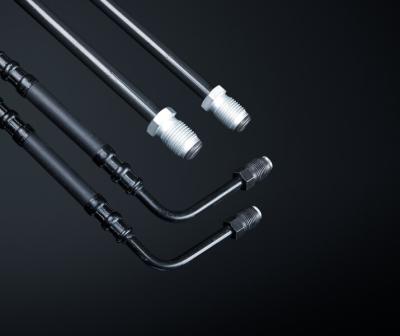
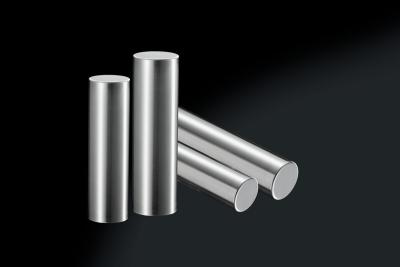
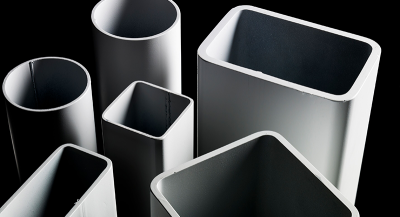
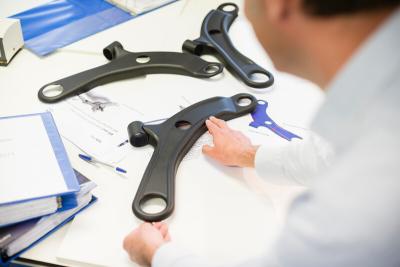
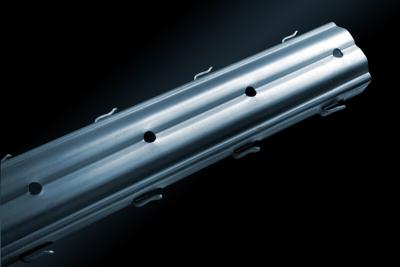
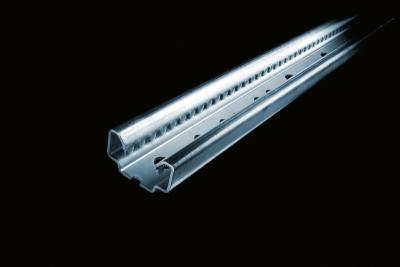
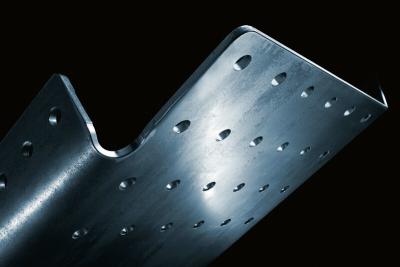
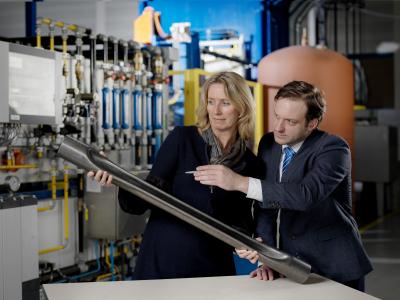
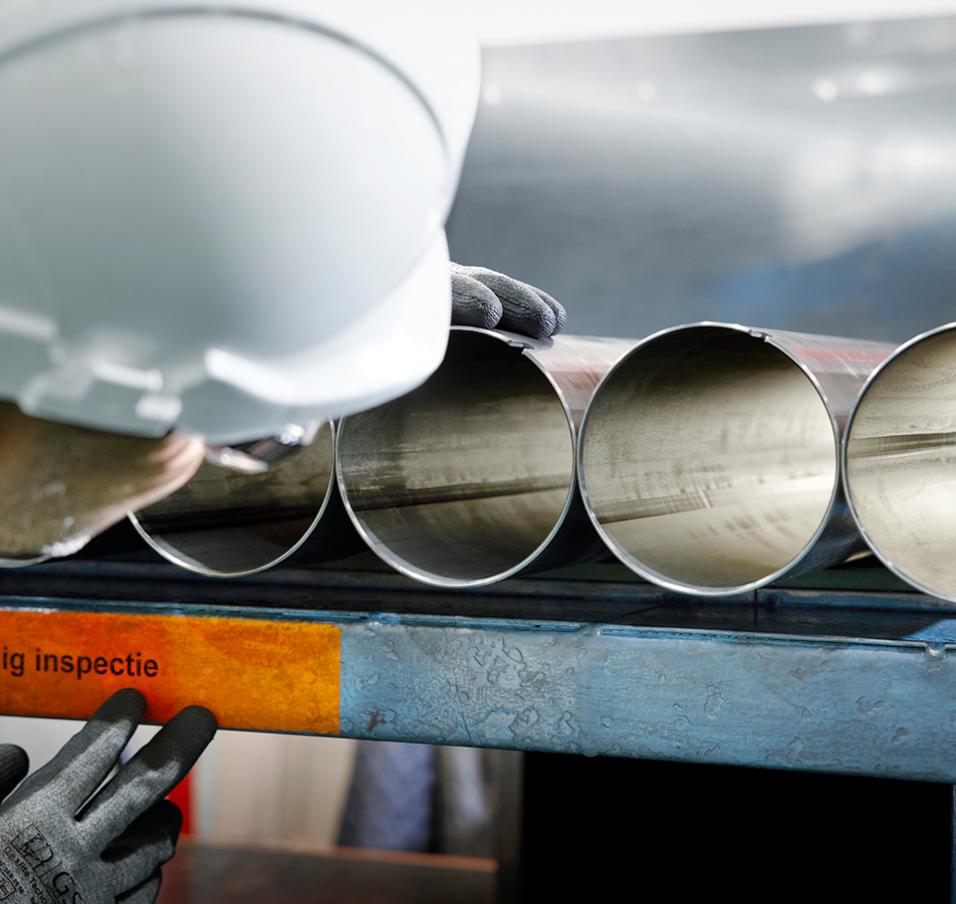
Tata Steel Tubes produces tubes for safety-relevant chassis components of passenger cars, among other products. The tubes are made from Tata Steel's XPF 800, a high-strength steel grade with excellent edge ductility. Due to its high strength, the processing window is narrow and even small dimensional variations can significantly impact the welding result.
How hidden changes in coil orientation affected welding results
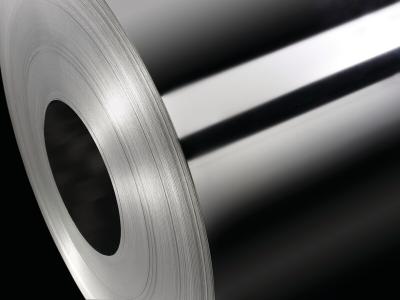
The coil parameters, mainly the thickness and profile of the two edges being welded together, have to be considered in the welding process. Before using Data on Demand, Tata Steel Tubes relied on the left/right orientation of the coil to anticipate how the material would behave in the welding process. In most cases, this approach worked well – addressing around 80% of welding issues. However, the remaining ~20% persisted. Tata Steel Tubes was aware that some coils were occasionally re-rolled – effectively reversing their left/right orientation – but they had no way of identifying which coils were affected.
As a result, welding settings were sometimes applied incorrectly, with parameters intended for one side of the coil being used for the other. This led to rework, rejected material, lost production time and reduced yield, despite the material itself being fully within specification.
Over time, these inconsistencies became part of the process – accepted as normal.
Creating more stable and predictable welding conditions
The approach is simple: making one single piece of information visible – the actual orientation of each coil.
Tata Steel delivers the necessary data – sharing the head/tail position of each coil, from which the correct left/right orientation can be derived. This provides full transparency on the actual state of the material, even after re-rolling.
This enables the customer to immediately identify whether a coil has been re-rolled and adapt their welding settings accordingly before processing begins. What was previously based on assumption becomes a data-based decision, improving process reliability and reducing errors.
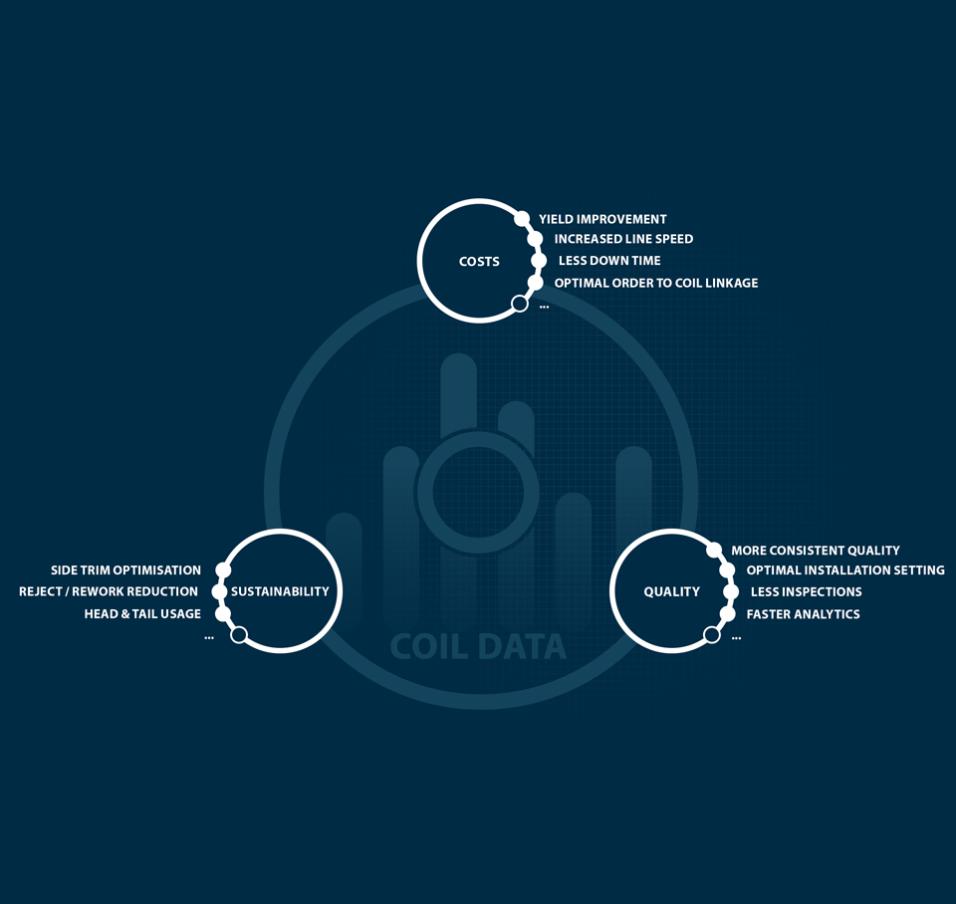
Fewer failures, less scrap and more stable processing through better data
- Reduced failure rates
Incorrect welding settings are avoided, significantly reducing failed welds. - Less scrap
Fewer defects result in lower material waste and higher yield. - More stable processing
Greater transparency enables consistent and reliable welding conditions. - Improved process control
Operators can immediately adjust settings based on actual coil orientation. - Financial impact
Approx. €2 million in yearly savings.